Payment & Invoicing: A Comprehensive Guide to Optimizing Business Finances
Master the art of payment processing and invoicing to enhance cash flow, build strong client relationships, and ensure the financial stability of your business.
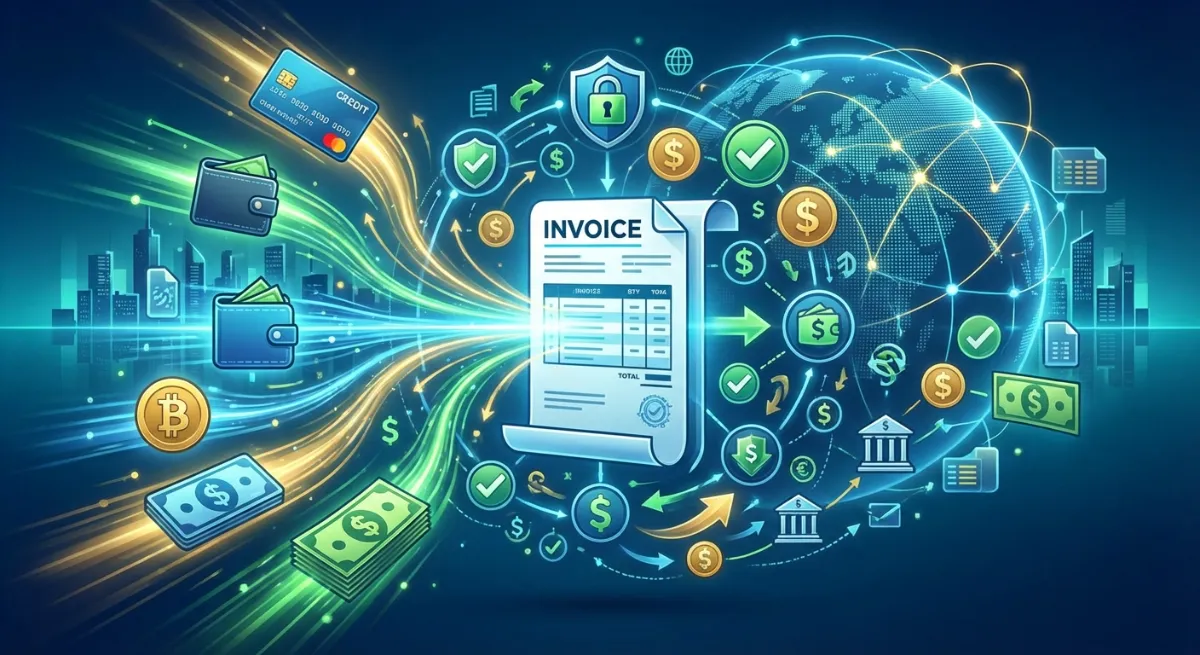
In the bustling world of business, efficient financial management is not just a necessity; it’s a cornerstone of success. At the heart of this lies a robust understanding and execution of Payment & Invoicing. These aren’t merely administrative tasks; they are critical processes that dictate your company’s cash flow, define client relationships, and ensure long-term sustainability. Whether you’re a burgeoning start-up or an established enterprise, mastering these areas is paramount to thriving in today’s dynamic economic landscape.
This comprehensive guide will walk you through the essential elements of payments and invoicing, equipping you with the knowledge to streamline your financial operations, avoid common pitfalls, and foster stronger, more reliable business partnerships globally.
Understanding the Fundamentals of Payment & Invoicing
Before diving into strategies, let’s establish a clear understanding of what payment and invoicing entail and why they are so vital:
- What is Payment? Payment refers to the transfer of money or other valuable consideration in exchange for goods, services, or to fulfill a debt. It’s the final step in a transaction, converting a service rendered or product sold into tangible revenue for your business.
- What is Invoicing? An invoice is a commercial document issued by a seller to a buyer, indicating the products, quantities, and agreed prices for products or services the seller has provided to the buyer. It’s a formal request for payment, detailing what is owed and why.
Together, they form a crucial cycle: a service is provided, an invoice is sent, and payment is received. Disruptions at any stage can lead to cash flow problems, strained client relationships, and administrative burdens, emphasizing their critical role in business operations and financial health.
Crafting the Perfect Invoice: Key Components for Clarity and Compliance
An effective invoice is more than just a bill; it’s a professional document that ensures clarity, prevents disputes, and meets legal obligations. Here are the essential components:
- ✅ Legal Requirements & Business Details: Include your business name, address, contact information, and registration number (e.g., GST number if applicable in your region like New Zealand’s IRD requirements). Also, include the client’s full legal name and address.
- 📄 Unique Invoice Number & Date: A sequential, unique invoice number helps with tracking and accounting. The date of issue and due date are equally important.
- 📝 Detailed Itemization of Services/Products: Clearly list each service or product provided, including descriptions, quantities, unit prices, and sub-totals. Ambiguity here is a common cause of payment delays.
- 💰 Payment Instructions & Terms: Explicitly state accepted payment options, bank details for transfers, and how to pay via credit card or digital wallets. Clearly define payment terms (e.g., Net 30, due upon receipt).
- 📈 Tax Information: Detail any applicable taxes (e.g., Goods and Services Tax – GST in many countries including New Zealand, Sales Tax, VAT), the tax rate, and the total tax amount, ensuring compliance with local tax laws.
- 📊 Total Amount Due: Present the grand total clearly, often in bold, specifying the currency.
Navigating Diverse Payment Methods for Modern Businesses
Offering a variety of payment methods can significantly improve your cash flow and client satisfaction. Each method has its pros, cons, and security considerations:
Traditional & Digital Solutions
- 💳 Bank Transfers (Direct Deposit): Highly secure and typically low-cost for businesses, especially for larger transactions. They offer familiarity for many established companies but can sometimes be slower to process. Often preferred for significant investments like initial deposits for web design projects.
- 💳 Credit/Debit Cards: Widely accepted, convenient, and instant for clients. Businesses incur transaction fees (typically 1.5-3.5%), but benefit from immediate payment confirmation. Ensure compliance with data security standards like PCI DSS principles to protect customer information.
- 📱 Digital Wallets (Apple Pay, Google Pay, PayPal): Increasingly popular for their speed and enhanced security features (tokenization). They offer a seamless mobile experience, appealing to a tech-savvy, international audience. PayPal, for instance, offers robust buyer and seller protection.
- 💸 Direct Debits: Excellent for recurring payments (e.g., subscription services, monthly retainers). Once authorized, payments are automatically drawn from the client’s account, ensuring predictability and reducing administrative effort.
- 🌍 International Payments: Facilitated through platforms like PayPal, Wise, or direct wire transfers. Be mindful of currency exchange rates, international transaction fees, and varying processing times. Clear communication about these costs is vital for global clients.
Choosing the right mix of payment methods hinges on your business model, client base, and the volume and value of your transactions. Consider the experience of ‘Global Artisans Co.’, a bespoke craft business, who expanded their digital payment options, resulting in a 25% increase in international sales thanks to improved customer convenience.
Strategic Payment Terms & Schedules: Optimizing Your Cash Flow
Establishing clear payment terms and schedules is fundamental to managing your cash flow effectively and setting client expectations.
Common Payment Terms
- 🗓️ Net 7, Net 30, Net 60: These terms specify the number of days a client has to pay an invoice from its issue date (e.g., ‘Net 30’ means payment is due 30 days after the invoice date). Shorter terms generally improve cash flow but might not be suitable for all clients or large projects.
- 🤝 Deposits: An upfront payment required before work begins, securing resources and demonstrating client commitment. Common for large projects or custom services like web development projects.
- 🚀 Milestone Payments: Payments are tied to the completion of specific project phases. This provides clients with tangible progress markers and ensures businesses receive funding throughout longer projects. It’s a fair and transparent approach, as demonstrated by companies like ‘Creative Catalyst Agency’ which saw a 15% reduction in payment delays after adopting milestone invoicing for their significant digital transformation projects.
- 🔄 Retainers & Subscriptions: Regular, fixed payments for ongoing services (e.g., monthly SEO, content marketing, website maintenance). This model provides predictable recurring revenue for your business and continuous value for the client.
Carefully selecting and communicating your payment terms can significantly impact your financial stability and client relationships.
Legal & Compliance Considerations in Payment Processing
Navigating the legal landscape of payment and invoicing is crucial to avoid penalties and build trust. This includes:
- 🛡️ Consumer Protection Laws: Adhering to regulations that protect consumers from unfair practices, such as transparent pricing and dispute resolution mechanisms.
- 🔒 Data Privacy & Security: Safeguarding client financial information is non-negotiable. This involves adhering to principles of data privacy regulations (like GDPR or CCPA) and ensuring secure payment gateways that follow standards like PCI DSS to protect cardholder data.
- 📈 Taxation & Regulatory Frameworks: Understanding and complying with local tax laws (e.g., charging and remitting GST, VAT, or Sales Tax correctly) and industry-specific regulations. For businesses operating in New Zealand, this includes adherence to IRD guidelines for invoice content and record-keeping.
Regularly reviewing your processes against current regulations is essential, especially when dealing with international clients or new payment technologies.
Invoicing Best Practices: From Creation to Collection
Optimizing your invoicing process can drastically reduce payment delays and administrative overhead:
- ✨ Accuracy & Clarity: Double-check all details (amounts, services, client info) before sending. A clear, easy-to-read invoice minimizes questions and speeds up payment.
- ⏰ Timely Delivery: Send invoices promptly upon completion of work or at agreed-upon intervals. Delaying an invoice delays payment.
- ✅ Automated Follow-up Procedures: Implement automated reminders for upcoming and overdue payments. Gentle nudges can significantly improve collection rates without needing manual intervention.
- ⚖️ Streamlined Dispute Resolution: Have a clear process for handling invoice queries or disputes. Quick and fair resolution maintains client relationships and facilitates timely payment.
Leveraging Technology & Automation for Seamless Financial Operations
Modern businesses can significantly benefit from technology to streamline payment and invoicing processes:
- 💻 Invoicing Software: Platforms like Xero, MYOB, and QuickBooks automate invoice generation, tracking, and reporting. They reduce manual errors, save time, and provide valuable insights into your financial health.
- ⚙️ Integrated Payment Gateways: Connecting your invoicing system directly with payment gateways like Stripe or PayPal allows clients to pay instantly from the invoice, reducing friction and speeding up collections.
- 🚀 Automation Benefits: Beyond invoice generation, automation can handle recurring billing, send payment reminders, reconcile payments, and integrate with your accounting software, freeing up valuable time for strategic tasks. ‘TechFlow Inc.’ implemented automated invoicing and saw a 30% reduction in overdue accounts within six months.
Mastering Cash Flow and Tackling Late Payments
Even with best practices, late payments can occur. Proactive strategies are key:
- Optimizing Cash Flow: Forecast regularly, maintain a healthy financial buffer, and align payment terms with your own operational expenses.
- Preventing Late Payments: Offer incentives for early payment (e.g., small discounts), establish clear late payment policies (e.g., fees for overdue invoices, interest), and verify client creditworthiness for large projects.
- Effective Debt Collection: For persistently late payments, initiate a structured collection process, starting with polite reminders and escalating to formal notices or, as a last resort, legal action. Maintain professional communication throughout.
Late payments are a significant challenge for many businesses. Understanding their impact can underscore the importance of robust payment and invoicing systems.
The Cost of Late Payments on Small Businesses (Illustrative Data)
Source: Fictional survey data for illustrative purposes based on common business challenges.
0 Digital’s Approach: Applying Best Practices to Digital Services
While the principles of payment and invoicing are universal, their application can vary. At 0 Digital, we embody these best practices to offer transparent and flexible Web Design Payment Options for clients, particularly focusing on our expertise in Web Design Services. We understand the unique needs of businesses, from start-ups to established firms, and tailor our processes accordingly.
Our Accepted Payment Methods
We’ve streamlined our system to include methods commonly used and trusted, ensuring ease and security for our clients:
- 💳 Bank Transfer (Direct Deposit): The most secure and direct option, providing clear records. All necessary bank details are provided on your invoice.
- ✉️ Credit/Debit Card: Accepted via secure online payment portals like Stripe for quick and protected transactions (Visa, Mastercard, American Express).
- 🅿️ PayPal: An additional layer of convenience and security, favored by many international clients.
- ✅ Automatic Payments (Subscription Services): For ongoing services like SEO, website maintenance, or hosting, we offer convenient recurring billing setup for uninterrupted service.
Project Milestones & Payments for Web Development Projects
For larger web development projects, our invoice schedule is designed to align with tangible progress, allowing you to manage costs effectively. This structured approach helps businesses like ‘Oceanic Innovations’ in their budgeting, allowing them to pay as visible progress is made, much like the example of ‘KiwiKnit Collective’ using credit card payments for initial deposits.
- 🥇 Initial Deposit (20-30%): To secure resources and begin discovery.
- 🥈 Design Approval (30-40%): Due upon client approval of core design.
- 🥉 Development Complete (20-30%): Invoiced once functionality is developed and ready for review.
- 🎉 Final Launch Payment (10-20%): Payable upon successful website launch.
For continuous value, our subscription billing for ongoing services like website hosting, maintenance, and SEO ensures your digital assets remain secure, up-to-date, and performing optimally, similar to ‘Coastline Crafts’ relying on monthly subscriptions for peace of mind. For any specific queries regarding your invoices, please contact accounts@0digital.co.nz.
Conclusion: Empowering Your Business Through Efficient Financial Management
In the end, payment and invoicing are more than just transactions; they are fundamental pillars supporting your business’s growth and stability. By embracing clear communication, diverse payment options, strategic terms, and leveraging modern technology, you can transform these administrative necessities into powerful tools for cash flow optimization, enhanced client relationships, and sustained success. Invest time in refining these processes, and you’ll build a resilient financial foundation for your business’s future.
Editorial Team
Expert insights for International businesses.